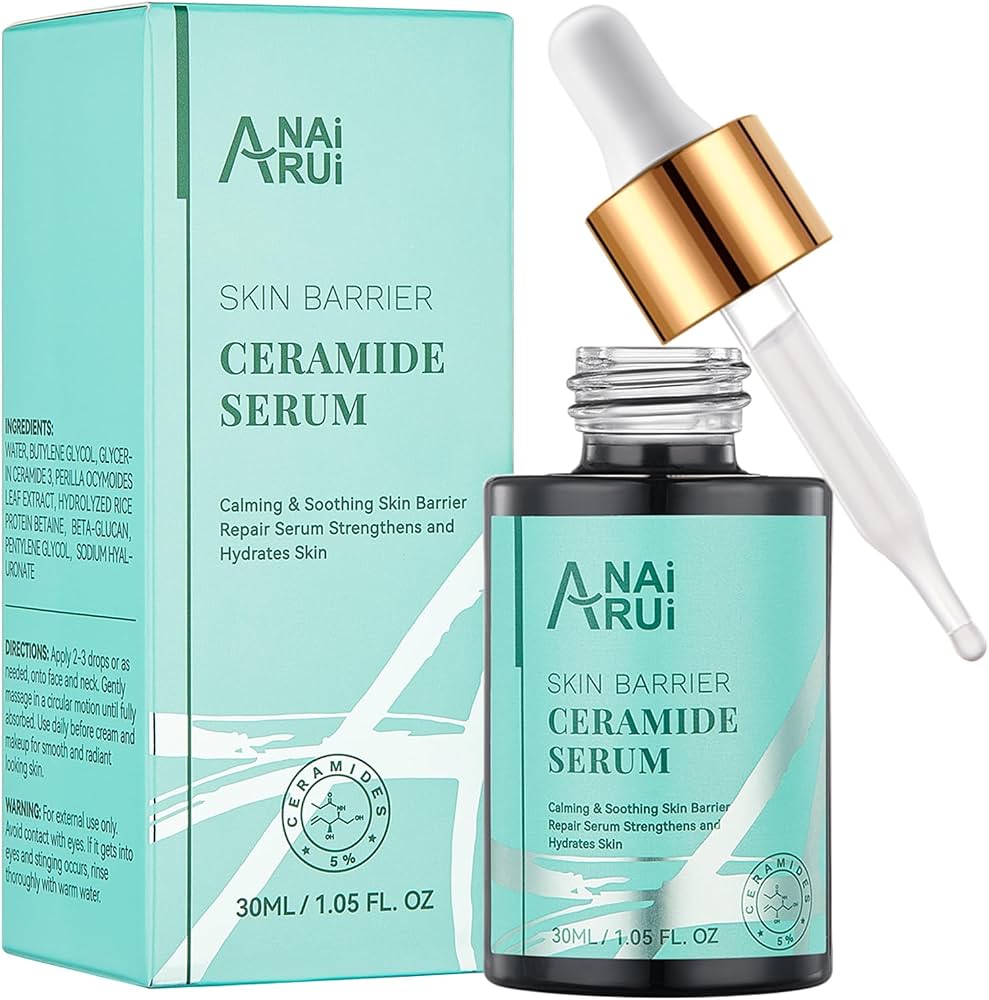

Serum Ceramide Murah Untuk Memperbaiki Skin Barrier Rusak
What Sets Affordable Ceramide Serums Apart In Skin Barrier Repair
Fixing a damaged skin barrier isn’t simple. Finding a serum that works well and won’t break the bank feels tricky. There are tons of options out there. But a serum ceramide murah untuk memperbaiki skin barrier rusak that truly helps must have good ingredients and proof that it works.
When the barrier cracks, moisture escapes quickly, leaving skin open to irritants and dirt. People dealing with redness, dryness, or damage from the environment often need these serums. Ceramides keep your skin hydrated and tough. Ceramide serums refill these fats, patching up the barrier. This lowers sensitivity and smooths skin texture.
Then comes the hard part—spotting a cheap serum that actually delivers. Many budget ceramide products don’t have enough active ceramides or miss key extra ingredients that speed repair. The best blends mix ceramides with hyaluronic acid and cholesterol. This combo copies your skin’s natural fats, locking in moisture and rebuilding protection.
What to check before buying:
- How much and which ceramides (Ceramide NP, AP, and EOP are top performers)
- Extras like fatty acids and niacinamide that support the barrier
- No added scents or irritants that can make damage worse
Their research is solid and they share where ingredients come from. This gap pushes people to look for clear guides to serum ceramide murah untuk memperbaiki skin barrier rusak that fit both science and budget. Korean and Western brands often lead here (in most cases). Still, prices jump depending on bottle size and how much active stuff they pack inside.
Picking the right serum for your skin and wallet can change your results. Fixing the barrier means fewer flare-ups and a glowing look shielded from fresh damage. For those patching up skin barriers, skipping on quality ingredients—even if you want to save money—hurts more than helps. Trusted info from places like the National Institutes of Health on skin barrier function .
- Detailed pricing comparison for each ceramide serum brand
- Specific ingredient active doses and mechanism of skin barrier repair
- Comparative user testimonials and expert dermatologist reviews
- Step-by-step serum application guidance for damaged skin barriers
Memilih Serum Ceramide Murah Berdasarkan Tipe Kulit dan Kondisi Spesifik
Tak semua serum ceramide murah cocok untuk setiap jenis kulit atau kondisi kulit rusak. Misalnya, untuk kulit sensitif yang mudah iritasi, serum dengan kandungan ceramide dan bahan anti-inflamasi seperti centella asiatica atau madecassoside dapat memberikan efek menenangkan sekaligus memperbaiki skin barrier. Sementara itu, kulit berminyak yang mengalami perpaduan antara kerusakan dan produksi minyak berlebih butuh formula yang ringan, bebas minyak, dan jangan sampai menimbulkan komedo. Related: Serum Penumbuh Alis Dan Bulu Mata Terbaik For Professionals Improving Natural Beauty.
Dalam praktiknya, pengguna dianjurkan untuk melakukan patch test sebelum memutuskan rutin menggunakan serum ceramide murah. Selain itu, perhatikan kandungan komplementer seperti cholesterol dan asam lemak esensial yang mampu mempercepat proses regenerasi sel kulit. Misalnya, serum dengan ceramide NP, AP, dan EOP yang dikombinasikan dengan kolesterol dan palmitic acid mampu membentuk lapisan lipid yang tahan lama. Praktik kombinasi ini juga didukung oleh penelitian di beberapa jurnal dermatologi yang menunjukkan hasil perbaikan skin barrier hingga 30% lebih baik dibandingkan ceramide tunggal.
How to Use Ceramide Serum Effectively for Skin Barrier Repair
- Use a mild cleanser that doesn’t strip your skin. It pulls dirt away but leaves the barrier mostly intact. Your skin stays soft and ready to soak up the serum’s actives. Plus, moisture sticks better this way.
- Spray or swipe on a toner to balance your skin’s pH. This adds a thin mist of hydration, helping the serum seep deeper. That little extra wetness boosts how well the repair sets in.
- Dab 2-3 drops on your fingers and pat it on gently. Too much product clogs pores and wastes serum. This exact dose delivers just enough ceramides to patch the barrier without overload.
- After the serum, spread a light moisturizer. It locks in moisture and helps ceramides work their magic. This order lets the serum absorb fully before creams seal everything in.
- Don’t mix in retinoids, exfoliating acids, or alcohol-based products right before or after the serum. They can sting sensitive skin and undo the barrier fix you’re aiming for.
- Use it morning and night for best results. Skin rebuilds overnight but faces daily stress too. Regular doses heal your barrier and calm inflammation before it flares.
- Broad-spectrum sunscreen shields your fresh skin from UV rays that break down ceramides. This protection keeps your barrier solid and smooth, helping recovery all day long.
- Ingredients like niacinamide, hyaluronic acid, and panthenol team up well with ceramides. They boost hydration, soothe irritation, and build a tighter defense network.
- Your skin texture and sensitivity improve bit by bit across weeks. If irritation appears, pause use and consult a dermatologist who understands your skin’s needs.
- Keep your serum away from sunlight and heat. A cool, dry spot prevents ingredients from breaking down. This way, ceramides stay strong enough to repair your skin barrier over time.
Gentle daily habits plus correct application bring back your skin’s natural shield. Using cheap ceramide serum to fix damaged skin works best when you focus on layering and care. Experts say careful routine steps let this serum work without stressing fragile skin—especially where dryness or pollution bite hardest. Fixing your skin barrier depends on both the right dose and the right methods, dermatologists and clinical studies show. Think of it like a system: complementary products improve ceramide function without overwhelming your skin’s healing.
Dermatology pros stress pairing ceramide serums with sunscreen and moisturizers. The combined effect is quiet but vital for keeping your skin barrier firm according to leading skin barrier research. This full-picture care changes how you approach damaged skin using affordable ceramide serums.
Essential Insights on Using Affordable Ceramide Serums for Skin Barrier Repair
Timing and Frequency of Application Matter
Use a ceramide serum twice daily—morning and night is best—to maintain a strong skin barrier. Overloading on products clogs pores and sparks irritation. After cleansing but before heavier creams, apply the serum. That traps moisture where it counts most.
Choosing Formulations with Complementary Ingredients
Look for serums combining ceramides with hyaluronic acid or niacinamide; they boost hydration and tame redness together. This combo rebuilds the lipid barrier faster than ceramides alone. Avoid serums loaded with alcohol or fragrances—they can sabotage repair.
Safety for Sensitive and Acne-Prone Skin Types
Ceramide serums generally agree with sensitive and acne-prone skin; they nurture the barrier gently. Still, if your serum contains strong actives like retinol or acids, patch test first. The phrase “non-comedogenic” on a label signals it won’t clog pores or fuel breakouts.
Expected Timeframe for Visible Improvement
Around 4 to 6 weeks of consistent use, you’ll notice changes. Skin feels less tight. Redness cools off. Hydration becomes visible. Ceramides don’t exfoliate aggressively; instead, they seal lipid leaks slowly, demanding a quiet kind of patience.
The Role of pH in Ceramide Serum Efficacy
Good ceramide serums keep pH slightly acidic, typically between 4.5 and 5.5. This matches your skin’s acid mantle, enabling enzymes that drive lipid production and barrier repair. If the serum drifts alkaline, recovery stalls, and damage can stretch longer.
How to Layer Ceramide Serums Within a Routine
After cleansing and toning, put on your ceramide serum, then layer lightweight moisturizers. Finish with creams and oils—they lock everything in without blocking absorption. This sequence helps ceramides sink deep and sync with your skin’s fatty layers.
Handling Side Effects and Adjusting Usage
A quick tingle or mild redness might show up early on but usually fades as your skin toughens. Persistent irritation? Spread out use or switch to a gentler formula. Don’t use ceramide serums alongside harsh exfoliants or retinoids—that’s a fast track to barrier breakdown.
Storage Conditions Affecting Serum Stability
Keep your ceramide serum cool, dry, and out of sunlight. Heat and UV rays degrade delicate lipids and actives, shortening serum potency. Stored right, the serum can last beyond the typical 6 to 12 months after opening.
Selecting Budget-Friendly Options Without Sacrificing Quality
Brands like The Ordinary, Klairs, and Innisfree offer ceramide serums loaded with proven ingredients and transparent labels. They perform like pricier products but won’t drain your wallet. Always check exact dosages and sift through user reviews to find the best deals.
Integrating Ceramide Serums With Other Skin Barrier Repairs
Skip harsh scrubs and toners heavy with alcohol if you want your serum to shine. Gentle cleansers plus ceramides speed up healing. Research shows regular ceramide use reduces skin water loss and calms inflammation tied to barrier damage. Dermatologists recommend this strategy skin barrier repair research.