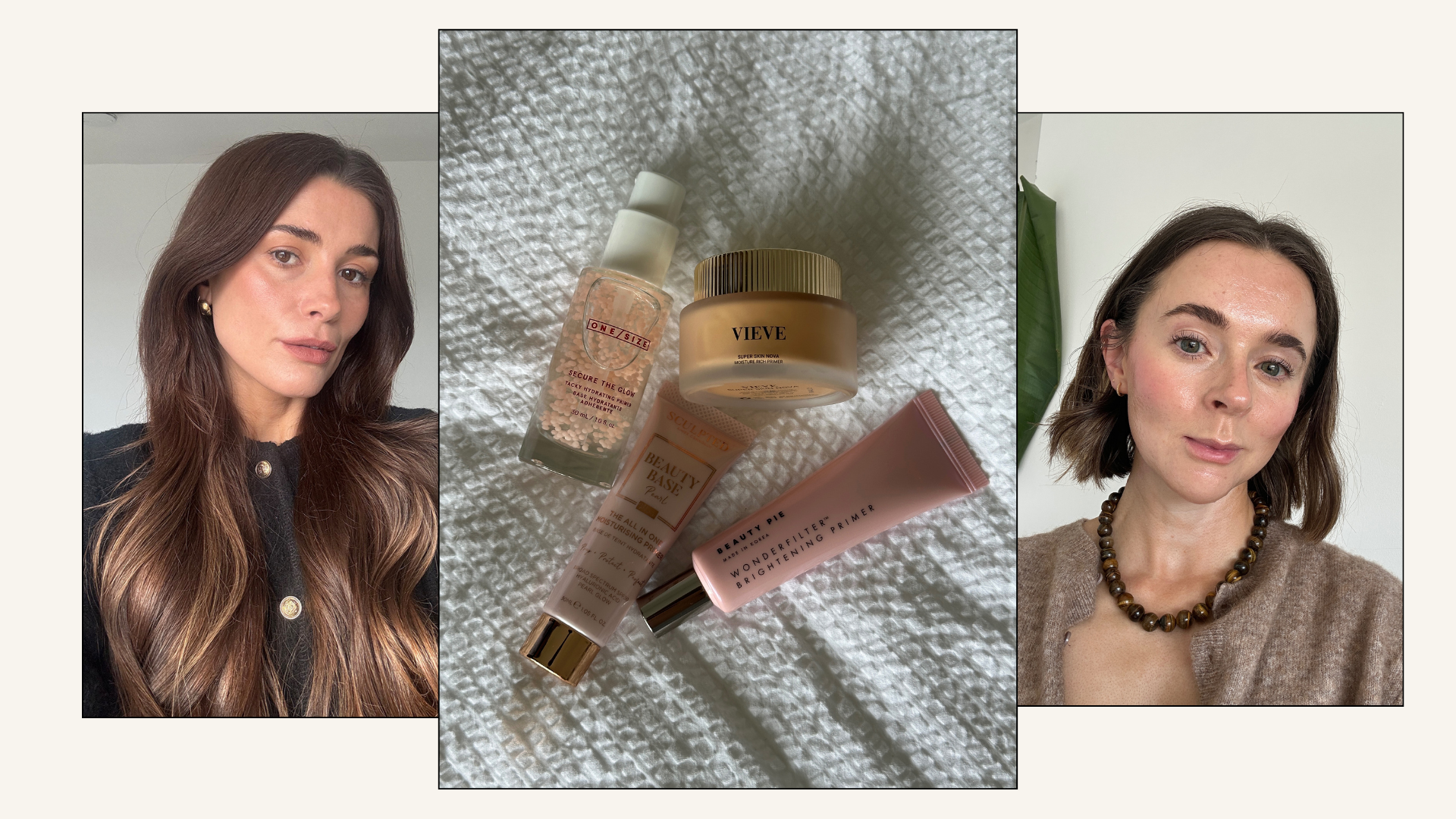

Cheap Silicone Free Primer For Water Based Foundation
Why Affordability Matters in Silicone-Free Primers
Especially if your skin is sensitive or oily. Finding an affordable option means you don’t have to trade skin health for a flawless look. Picking a cheap silicone-free primer for water-based foundation can make or break your makeup game. Many primers use silicones to smooth skin but those can clog pores or irritate delicate skin.
Water-based foundation works best with a primer that’s also silicone-free and light. Heavy silicones in a primer often cause foundation to peel or slide off. A cheap silicone-free primer made for water-based foundation helps keep your makeup put without feeling greasy or causing breakouts.
High-end silicone-free primers can run over $40 per bottle. That’s essential if you want to find your perfect match and keep up a regular routine (broadly speaking). Price is a big deal too. That’s a steep ask if you’re on a budget or just testing new products. Affordable primers let you try without dumping cash on products that might not fit your skin.
The right primer tackles shouty problems for oily and sensitive skin like:
- Cutting shine and oil with non-comedogenic ingredients
- Giving hydration without extra grease or irritation
- Smoothing skin texture so foundation sits even
- Keeping foundation lasting without sticky or heavy residue
This trend targets growing fans looking for gentle, useful primers to pair with water-based foundations. Brands now churn out formulas without silicones, packed with plant-based and water-friendly ingredients. Affordable prices on these kinds of products make skin care doable and real.
Some big-name primers hide their prices and options, leaving shoppers guessing about the real cost. Price and ingredient transparency matter more than ever. Others say they’re silicone-free but don’t list key actives, making it hard to be sure if they’ll suit your skin before buying.
Crafting a skin routine that’s kind to your skin and wallet starts with these facts. Clear prices, open ingredient lists, plus honest user reviews help you zero in on the best cheap silicone-free primer for water-based foundation. You get data-backed choices instead of guessing in the dark.
This approach solves real skin struggles while keeping budgets balanced—a win for everyday beauty that’s smart and savvy. Affordable, reliable silicone-free primers open up custom makeup fits, especially when your skin needs care that plays nice with water-based formulas.
For skin issues linked to makeup ingredients, dermatologists stress avoiding occlusive primers with water-based foundations to keep skin breathing and calm, according to the American Academy of Dermatology guidelines.
- Poreless Putty Primer Overview and Benefits
- Too Faced Hangover Replenishing Face Primer Features
- The Ordinary High-Spreadability Primer Analysis
- Milk Makeup Hydro Grip Primer Performance
Understanding Ingredients to Look for in Cheap Silicone Free Primers
While searching for a cheap silicone-free primer compatible with water-based foundations, it’s key to familiarize yourself with the alternative ingredients that create a smooth, durable base without silicone’s slip. Natural humectants such as glycerin and hyaluronic acid often substitute for silicones, locking in moisture to offset the dryness that mattifying primers sometimes cause. Botanical extracts including green tea, chamomile, and aloe vera serve a dual role, calming sensitive skin while delivering antioxidants (in most cases). These components improve the primer’s skin-friendly profile while ensuring that water-based foundation adheres better and lasts longer.
Plant-derived powders replace heavy silicones by creating a velvety, shine-reducing finish that avoids pore clogging or trapping sweat. Another key element to evaluate is lightweight film formers, including tapioca starch or rice powder, which work to mattify the skin and absorb excess oil in a non-comedogenic way. For instance, primers containing rice powder are often favored in Asian beauty products for their ability to smooth texture while maintaining breathability, making them ideal for humid climates. Such ingredients highlight how budget-friendly primers can compete with more expensive counterparts when formulated thoughtfully.
Finally, keep an eye out for primers with pH-balanced formulas. Water-based foundations perform bestly when the skin’s surface maintains a slightly acidic pH, generally around 5.5. Many high-quality yet inexpensive silicone-free primers are designed to preserve this balance, preventing irritation or foundation breakdown during wear. This understated aspect improves both comfort and the staying power of makeup, making it valuable for those with sensitive or combination skin. Exploring ingredient lists with these insights can help you to select affordable primers that perfectly complement water-based foundations while supporting overall skin health.
Pricing & Performance: Choosing What Works for You
The market offers options like The Ordinary High-Spreadability Primer, which gives light hydration from glycerin and squalane, and Milk Makeup Hydro Grip Primer, loaded with hyaluronic acid plus plant extracts designed to extend makeup wear. Finding a cheap silicone-free primer for water-based foundation means balancing cost, ingredients, and how it suits your skin. Prices float from about $12 for small tubes up to $39 for larger, premium sizes—a wide spread. Wide choice.
Fenty Beauty Pro Filt’r Hydrating Primer delivers moisture but avoids pore blocking or flare-ups. Dry or sensitive skin needs primers that moisturize without clogging or irritation. For oily and combo skin, silicone-free mattifiers like NYX Professional Makeup Primer or Rimmel London Stay Matte Primer help control shine while keeping foundation put. Budget buyers often pick e.l.f. Poreless Putty Primer, priced around $8-$12, which smooths skin and reigns in oil fairly well—though confusing variant prices leave shoppers guessing.
Too Faced Hangover Replenishing Face Primer draws praise for calming, brightening effects thanks to coconut water and probiotics, but it’s pricey. Look closely at ingredients and real user feedback. The Ordinary sticks to basics, offering faint mattifying and non-comedogenic benefits at wallet-friendly cost—good if you want simple performance without splurging (as a rule).
- Ingredient transparency remains tricky; many primers don’t list variant prices or full ingredient details upfront, causing confusion.
- Users stress primer and foundation must pair well—no single silicone-free formula works flawlessly with all water-based foundations.
- Real savings come from picking primers that fit your skin type, budget, and wear time, avoiding expensive touch-ups.
Price alone isn’t the full story when choosing a cheap silicone-free primer for water-based foundation. You need to consider oil control, hydration, endurance, and ingredient safety—especially if your skin is sensitive. Watch for humectants, antioxidants, and non-silicone film formers—that’s how smart shoppers shop. For deeper tips, the essences suited to sensitive skin guide might come in handy.
One truth: the cheapest primer can flop, and the priciest might earn its price. Blending ingredient knowledge, price clarity, and solid user reviews open ups the primer that fits your unique routine. Trust the official data on cosmetic safety—cutting through marketing hype to real skin science.
Key Insights for Selecting and Using Silicone-Free Primers
Understanding Variations in Pricing and Sizes
Silicone-free primers come in all sorts of jars and price tags. For instance: e.l.f.’s Poreless Putty Primer sells for $8 as a mini but $14 for the regular size. The Ordinary’s High-Spreadability Primer usually runs about $12 for a 30ml bottle. It tries to balance cost with solid ingredients. Knowing what your jar holds—and how big it actually is—keeps you from paying for stuff you won’t get through anytime soon.
Recognizing the Importance of Core Ingredients
Silicone-free primers skip the usual silicon bases. Instead, many count on glycerin, squalane, plus plant extracts that hydrate without clogging pores. Milk Makeup’s Hydro Grip Primer blends hemp-derived squalane and aloe water, which soothes and moisturizes skin gently. Fenty Beauty’s Pro Filt’r Hydrating Primer leans on glycerin and vitamin E to nourish the skin while prepping it for makeup. These ingredients tweak both how skin feels and how long makeup stays, acting very differently than silicone primers.
Evaluating User Experience and Application
Smashbox Photo Finish Primerizer often pops up in reviews as a hybrid: part moisturizer, part smoothing layer. It’s a hit with dry skin, quenching immediate thirst without heaviness. Rimmel London Stay Matte Primer gets props for cutting down shine yet sidestepping silicone’s usual downsides. The top silicone-free primers absorb quickly and leave behind a silky feel—perfect for wearing beneath water-based foundations. Many users find the finish airy and featherlight, quite the relief compared to heavy silicone ones.
Handling Purchase and Return Policies
Most big brands toss in a 30-day money-back guarantee, easing the risk if you want to test a new formula. E.l.f. Goes further with free returns and prices that don’t break the bank—a rare combo in this category. Some smaller labels might slap on restocking fees or have tight return rules. Always a smart move to read the fine print before you click buy—especially if you’re venturing into silicone-free primers for the first time.
Focus oning Skin Compatibility and Sensitivity
These primers often shine on sensitive or acne-prone skin. They keep pores clear and help limit breakouts. The Ordinary’s High-Spreadability Primer is light, avoiding heavy oils or harsh ingredients. Picking primers labeled hypoallergenic and low in synthetic fillers boosts comfort and wear time, especially for delicate skin. Dermatologists and recent skincare rules back this up: fewer silicones mean less risk of blocked pores and flare-ups. See skin safety regulations overview.