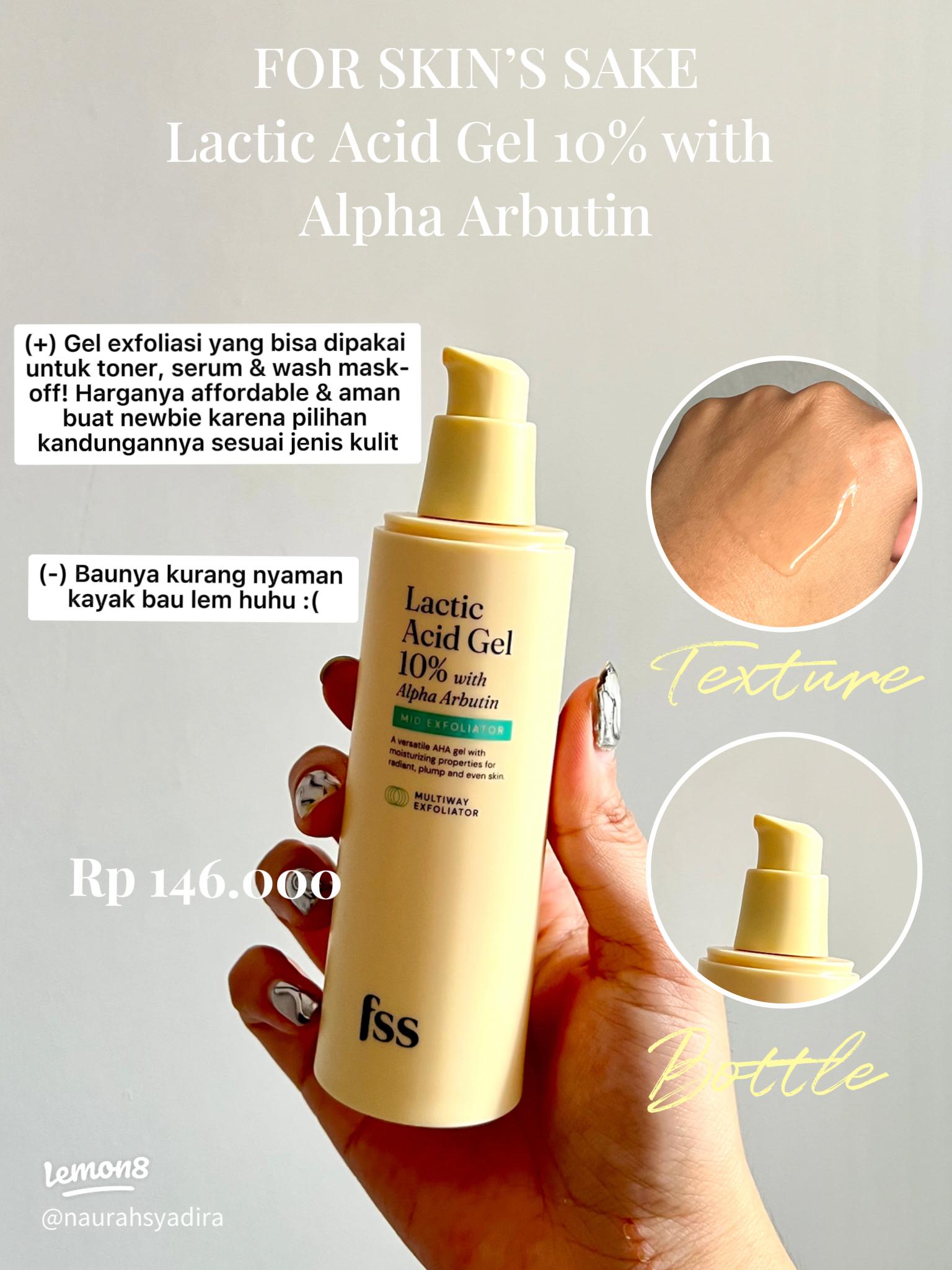

Rekomendasi Toner Eksfoliasi Untuk Pemula
The Importance of Gentle Exfoliation for Skincare Beginners
Picking a skincare product feels like wandering a maze tangled in jargon and endless options. For those just starting out, choosing an exfoliating toner needs extra care. The right rekomendasi toner eksfoliasi untuk pemula can make a huge difference because skin reacts differently to exfoliants based on sensitivity and past use.
Gentle exfoliation is the base of good skincare. Dead skin is lifted away cleanly, pores are cleared, and cell turnover speed ups—all without compromising the skin’s protective barrier. Beginners who jump on strong products often wake up to red, irritated skin or worse—dry patches and breakouts that won’t quit. Skincare pros say the best toner for newbies walks a fine line between working well and being gentle, letting skin adapt without harm.
The wrong kind of exfoliation can break down your skin barrier, leaving it weak against pollution and sun damage. Instead, they push for products with low amounts of alpha hydroxy acids (AHAs) or beta hydroxy acids (BHAs) that bring clear benefits without the harshness. Dermatologists warn against harsh scrubs or toners loaded with too-strong acids at first.
Skin types differ a lot. This matters because many toners claim exfoliation but don’t say how strong their chemicals are or who they’re really for. Beginners need formulas proven safe and mild — aiming to boost glow and smoothness without sparking sensitivity.
Here’s what really counts with exfoliating toners:
- How much active acid is in there—glycolic, lactic, or salicylic acid.
- Whether there are calming ingredients that help rebuild the barrier.
- Instructions on how often to use it so you don’t go overboard.
If you pick right, a toner cleans but also primes skin to soak up whatever you put on next (as a rule). The reviews ahead cover solid choices that fit these rules, all transparent about ingredients and backed by dermatologist input. They show 2026 prices and tweaks in formulas, guiding newcomers to start safe and smart.
Want to see how exfoliants fit into the bigger skincare picture? That knowledge helps you carry the toner’s benefits forward, building your routine with confidence.
For those after stronger proof on ingredients, trusted dermatological studies lay out how low doses of AHAs and BHAs help skin renew without harm. You can read about it in detail here, in clinical research on skin renewal rates. This science cuts through marketing hype — making your toner choice a smart, informed move.
- COSRX AHA/BHA Clarifying Treatment Toner Overview
- The Ordinary Glycolic Acid 7% Toning Solution Details
- Neutrogena Pore Refining Toner Benefits
- Pixi Glow Tonic Features
Memahami Frekuensi dan Cara Penggunaan Toner Eksfoliasi untuk Pemula
Penggunaan toner eksfoliasi yang berlebihan, misalnya lebih dari 3 kali dalam seminggu, dapat meningkatkan risiko iritasi dan merusak lapisan pelindung kulit. Jika kulit terasa kemerahan atau kering, sebaiknya kurangi frekuensi atau hentikan pemakaian sementara. Selain memilih toner dengan kandungan yang tepat, pemula juga perlu memahami pentingnya frekuensi pemakaian. Idealnya, pemula bisa mulai dengan menggunakan toner eksfoliasi 1-2 kali per minggu, sambil memperhatikan respons kulit secara detail.
Toner sebaiknya diaplikasikan dengan kapas khusus yang lembut atau langsung dengan tangan bersih, lalu diusapkan secara perlahan tanpa digosok kuat. Selain itu, cara aplikasi juga berperan penting. Setelah pemakaian, gunakan pelembap yang cocok untuk membantu mengunci kelembapan dan memperkuat fungsi skin barrier. Cara tepat ini memastikan toner eksfoliasi bekerja efektif sekaligus meminimalkan risiko efek samping.
Oleh karena itu, membaca instruksi produk serta konsultasi dengan ahli kulit dapat sangat membantu untuk menyesuaikan rutinitas eksfoliasi yang aman dan efisien bagi pemula (generally). Dalam praktiknya, beberapa merek toner eksfoliasi menyediakan rekomendasi pemakaian yang berbeda berdasarkan jenis kulit—misalnya untuk kulit berminyak atau sensitif.
Effective Usage Tips for Skincare Beginners Using Exfoliating Toners
- Start With a Patch Test. Dab a tiny bit on an unseen patch for 24 hours. This little check catches allergic reactions or irritation before it spreads across your face and turns into a bigger problem.
- Limit Application Frequency. Don’t use the toner every day at first. Stick to once or twice a week. Your skin needs time to adjust. Using it too often can lead to redness or sudden flare-ups of sensitivity.
- Apply Toner on Clean Skin. Wash your face well before applying toner. Dirt and oil block acids like AHAs (alpha hydroxy acids) and BHAs (beta hydroxy acids) from absorbing properly. Clean skin lets these acids penetrate deeper and do their job better.
- Use a Cotton Pad or Clean Hands. Swipe gently with a cotton pad or tap lightly with clean fingers. Rubbing hard stresses the skin and can undo the benefits your toner is trying to deliver.
- Avoid Combining Multiple Acids. Don’t mix exfoliating toners with other acid-based products or strong actives like retinol. Combining them risks irritation, dryness, or chemical burns. Use different days or consult a dermatologist about layering safely.
- Follow With Moisturizer. After the toner absorbs, apply a hydrating moisturizer. This locks in moisture, restores your skin’s barrier, and helps skin recover after exfoliation.
- Use Sunscreen Daily. Exfoliating makes your skin extra sensitive to sunlight. Always apply broad-spectrum sunscreen with at least SPF 30. It protects against burns, dark spots, and wrinkles.
- Observe Skin’s Reaction. Watch for redness, peeling, burning, or odd dryness. If these persist after using toner, reduce use or stop and see a skincare professional.
- Customize According to Skin Type. Dry or sensitive skin should choose toners with lower acid levels or ones marked gentle. Oily or acne-prone skin can often handle stronger acids—but keep an eye out for irritation.
- Stay Patient and Consistent. Skin changes take weeks. Don’t speed things up by using more often. Slow and steady preserves skin health without causing damage.
Experts recommend starting simple, focusing on hydration and sun protection alongside exfoliation. These tips help beginners handle exfoliating toners safely. Balancing dead skin removal with moisture retention keeps skin healthy over time. For more on healing your skin barrier after exfoliation, check trusted dermatological resources for science-backed guidance (broadly speaking).
Common Concerns and Clarifications About Exfoliating Toners
Suitable Candidates for Exfoliating Toners
Exfoliating toners work best for folks with dull or uneven skin, or light congestion. If your skin is sensitive or already irritated, you should be careful. Maybe try gentler products or see a dermatologist first to avoid flares or reactions. These toners can smooth texture noticeably but demand respect.
Differentiating Toners From Physical Scrubs
Scrubs have tiny beads that rub away dead skin. Toners, though, use acids to dissolve dead cells chemically. This process spreads more evenly and causes fewer microtears or scrapes from rubbing. That gentler action fits routines aiming for slow but steady skin renewal.
Role of AHA, BHA, and PHA Acids
AHAs (Alpha Hydroxy Acids) mostly scrape the skin’s surface and boost cell turnover. BHAs (Beta Hydroxy Acids) dive deeper into pores to clear buildup—good if you have oily, acne-prone skin. PHAs (Polyhydroxy Acids) act more mildly—they’re kinder for sensitive skin since their bigger molecules slow absorption and cut down irritation. Larger molecules soothe.
Importance of Concentration in Active Ingredients
How strong an exfoliating toner works comes down to acid percentage. For example, The Ordinary Glycolic Acid 7% Toning Solution has exactly 7% glycolic acid, a standard AHA, balancing power with safety. COSRX AHA/BHA Clarifying Treatment Toner mixes 4% glycolic acid with BHA for precise chemical exfoliation. The right concentration makes your skin change visible without wrecking fragile layers.
Timing and Frequency of Use
Don’t start using these toners every day. Most skin doctors say begin with two or three times a week. Overdoing it breaks down your skin barrier, leading to dryness or irritation—exactly what you don’t want. A slow buildup helps your skin toughen up and gets better long-term payoff.
Safety Precautions and Sun Protection
Acids ramp up your skin’s sensitivity to the sun. Wearing broad-spectrum sunscreen during daylight hours isn’t optional here—it’s a must. Also, steer clear of mixing exfoliating toners with strong actives like retinol in the same routine unless a pro guides you. Combining too many actives often sparks inflammation or weakens the skin barrier.
Handling Reactions and Breakouts
It’s common to see a purge—more breakouts early on as your skin speeds up shedding and impurities pop up. Knowing the difference matters: purging fades within weeks. Allergic reactions don’t—they stick around, causing redness, swelling, or itching and need you to stop using the toner right away.
Selecting Brands with Transparent Formulations
COSRX AHA/BHA Clarifying Treatment Toner and The Ordinary Glycolic Acid 7% Toning Solution get points for clear ingredient lists and honest pricing in 2026. Transparency lets you see exactly what you’re putting on your skin. Many brands hide key acid amounts, making smart choices harder.
Integrating Toners Into a Skincare Routine
Apply exfoliating toners after cleansing but before serums and moisturizers. That order lets acids prep your skin properly for what comes next without diluting them. Don’t overload your skin with actives all at once; spreading them out over time or days helps keep your skin happy.
Monitoring Skin Changes Over Time
Watch your skin’s reaction over weeks. Note any improvements or new sensitivities. If irritation sticks around, lower usage or try a gentler toner. Sticking with products that get dermatology thumbs-up or have reformulated ingredients leads to lasting glow and smoother texture—far beyond random guessing.
Understanding these details helps new users pick exfoliating toners safely and effectively from the many choices in 2026. Getting the right acid strength, timing, and sun protection nailed down improves chances of success. For deeper info on acids and skin types, peer-reviewed studies like those on PubMed Central are gold. Links to related topics, like hydrating masks, round out a full skincare game plan.